
Contact Us
Atlanta Circumcision is your trusted destination for baby circumcision services. Rabbi Schulgasser is an expert practitioner renowned for performing safe and comfortable circumcisions for infants.
Recommended by physicians for circumcision for newborns, including ob-gyns, surgeons, and pediatricians (Rabbi Schulgasser performs their sons' circumcisions, too!)
Rabbi Schulgasser has performed hundreds of newborn boys circumcision procedures throughout the United States, including Georgia, South Carolina, Kansas, Missouri, Texas, Oklahoma, Nebraska, Iowa, Alaska, New York, Florida, Maryland and Arkansas
#1 in client satisfaction for baby boy circumcision, availability and service--and ready to serve you! With years of experience in newborn circumcision , Rabbi Schulgasser ensures the highest standard of care for your baby boy. Trust us for a professional and compassionate circumcision experience for you newborns.
Thank you for visiting my website. If you or someone you know are the new parents of a baby boy—congratulations!
If I can be of any service to you, answer any question or I can help you in any way, please let me know!
Warm regards,Rabbi Elchanan Schulgasser
Client Testimonials

Adam Kaye
MD - General / Critical Care Surgeon
Dear Rabbi Schulgasser, Alison and I would like to thank you for an amazing job for my son's circumcision. From our initial pre-milah meeting through the event and beyond you have been the utmost professional.You truly have the hands of a surgeon.We hope to celebrate many more happy occasions with you. Sincerely,
Alisha Tischler
AIPAC Atlanta Area Director
Rabbi Schulgasser not only performed a beautiful Circumcision ceremony for my son’s bris but was also comforting and reassuring through the process. Even more, he was incredibly precise and as a result, my son healed quickly and perfectly. He walked us through everything, what to expect and followed up numerous times to answer any questions or concerns. I can not recommend him enough!
Michael Dinerman
MD Atlanta, GA
As a pediatrician, I can only offer accolades for the excellence, professionalism, and precision that Rabbi Schulgasser delivers to the baby. Wih his skills, vast experience, and an extreme sensitivity to the infant’s comfort, Rabbi Schulgasser has earned my highest recommendation without reservation.
Noam & Tamar Anchorage
Alaska
Thank you for coming all the way to Alaska and making our son's Brit Milah so special. Your caring attitude and professionalism for my son's Circumcision made us feel that he was in good hands, as you answered all our questions before and days after the Brit.
Glenn Gordon
MD Mexico, MO
It was an honor to have Rabbi Schulgasser as our grandson's mohel. Elchanan is a warm and caring person, a real "mentsch." We enjoyed the bris very much.
J. & K. Topeka
Kansas
It was wonderful to meet you as well. Jaden is doing great, sleepy as usual and nursing and peeing like always! Not fussy at all, doesn't even make a peep with diaper changes. We are very pleased!! If we ever have another boy we will definitely be calling you again.
Katie Kendle
Kansas City, MO
It's been three months since you visited us for our son's circumcision but I'm still thinking about the time you spent with our family and what a blessing it was. You were so calm and so kind to us and to our son. Also, you cracked us up--thanks for that. I hope our paths will cross again sometime. Until then, blessings to you and your family
Dana H.
Senior Health Coordinator at U.S. Department of Health and Human Services
Thank you for doing the Brit Milah for our son. We appreciated how you incorporated our family minhagim. We were also delighted that you supervised my husband in "making the cut" himself. Should we ever be blessed to need a mohel again, we will be delighted to use your services.
Rabbi Yehuda Sokoloff
Rosh Kollel of the Community Kollel of Kansas City
Dear Rabbi Schulgasser, Your expertise and professionalism were very comforting. May you continue to be a source of light and Torah to the entire community. Mazal Tov!
אביטל ואורי
אלפי תודות על חויית ברית מעל ומעבר למצופה הגענו מלאי חששות ולחוצים ואין מילים בפי לבטא את השקט הנפשי, ו "החוויה המתקנת" שעברנו בזכות היחס וההסברים לפני במהלך ואחרי הברית. השלווה, המקצועיות ללא פשרות ,הסובלנות והחיוך התמידי אפשרו לנו אפילו להנות במסיבת הברית. תומר נראה יותר רגוע בידיך מאשר אצלנו אפילו לאחר הברית . גם שהקפצנו אותך באמצע הלילה בגלל חששות מיותרים הגעת במהירות הסברת באריכות והצלחת להרגיע אותנו ולהחזיר את הדברים לפרופוציה הנכונה. פחות מ-48 שעות אחרי ואנחנו נדהמים מההחלמה המהירה. ישר כח ומי יתן ועוד הרבה משפחות ימלו את בנם באוירה נעימה ומקצועית שכזו
Google Reviews

Cellina Melanie
Rabbi Schulgasser was calm, informative and reassuring through the whole process! He was very nice and kind enough to even check on our baby boy multiple times after. He answered all of our questions and messages promptly. I wish we knew of him for our other 2 boys. Thank you!!
Read More
Posted on Google

Starr Family
Very great experience. So much more personal than an in patient office or hospital. Our son hardly cried for long and we were able to hold and comfort him throughout the process. His healing went very well and even the pediatrician commented on how well it looked and healed. It was special to have the family with him during this process. Would highly recommend.
Read More
Posted on Google

Sheniqua Bullock
Great experience with Elchanan Schulgasser from the time he was contacted. I reached out to him and he responded very quickly by call or text. We discussed the issue and he evaluated it by a phone consultation and said he would be able to help. So we drove to Altanta and he welcomed us into his home. We had no issues, it was a quick process and he followup with us 24hours later to be sure everything was ok. Thank you some much for your service it was greatly appreciated.
Read More
Posted on Google

Belinda Yeboah
Rabbi Shulgasser gave us excellent service both during and after the circumcision. My son's circumcision was over in like 3 minutes, the procedure was very quick. The outcome was great. It took like 1 week + 4days for the entire wound to heal after applying Vaseline and a gauze as directed by the Rabbi. I will definitely use ABC if I should have more sons.
Read More
Posted on Google
Our Circumcision Services

Newborn Circumcision in Atlanta
Detailed information about newborn circumcision, timing, the procedure, aftercare, appointments, and what parents can expect.
Learn More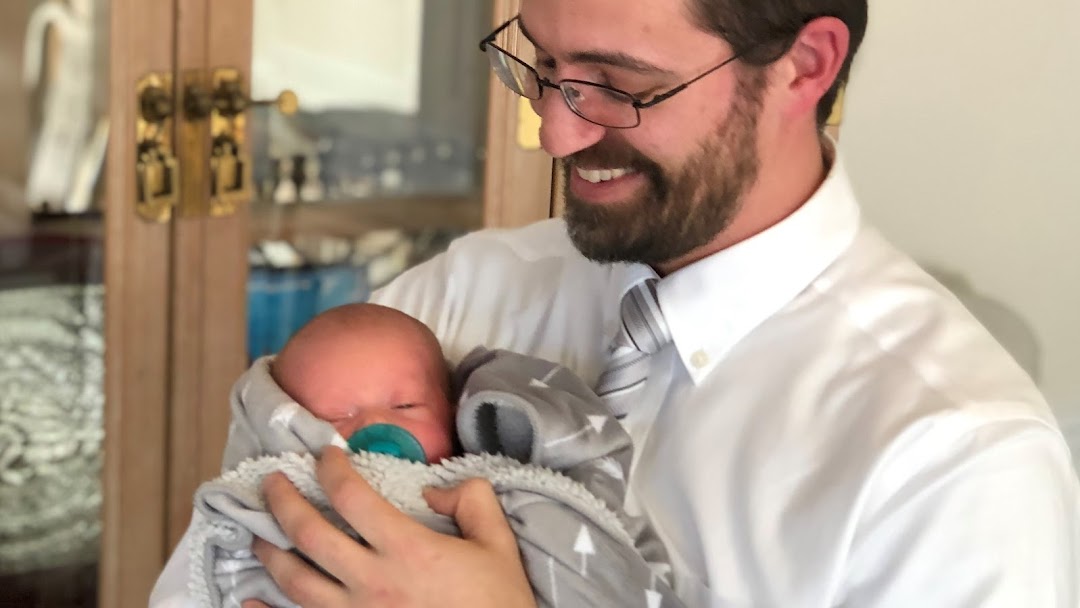
Mohel Circumcision in Atlanta
Learn about Rabbi Schulgasser, his experience, and professional Mohel circumcision services for families in the Atlanta area.
Learn More
Circumcision Services in Atlanta
Professional and compassionate circumcision services performed with care, experience, and attention to your baby’s comfort.
Learn MoreFrequently Asked Questions
Safety, Experience & Trust
Newborn circumcision is generally safe when performed by an experienced provider using proper technique, sterile instruments, and careful screening. Rabbi Schulgasser checks the baby before the circumcision and will not proceed if there is a medical or anatomical concern that should be evaluated by a physician or pediatric urologist.
Rabbi Elchanan Schulgasser is an experienced mohel serving families throughout the Atlanta area. He has performed many newborn circumcisions for Jewish families, Christian families, Muslim families, and families requesting non-religious circumcision. Parents often choose him because of his experience, calm manner, careful technique, and availability for follow-up questions after the procedure.
Safety begins before the procedure. Rabbi Schulgasser checks that the baby appears healthy, confirms that the anatomy is appropriate for circumcision, uses sterile instruments, and gives parents clear aftercare instructions. He also remains available after the circumcision if parents have questions or concerns.
Some babies should be evaluated by a physician or pediatric urologist before circumcision. Reasons may include prematurity, illness, unusual bleeding concerns, jaundice, hypospadias, significant penile webbing, deficient foreskin, buried penis, or anatomy that does not appear appropriate for a routine newborn circumcision. If Rabbi Schulgasser sees a concern, he will explain it clearly and will not proceed unless it is safe to do so.
A home circumcision can be safe for a healthy newborn when performed by an experienced provider using sterile instruments and proper technique. Many parents appreciate that the baby can remain in a calm, familiar environment. Rabbi Schulgasser brings the necessary supplies and will only proceed if the baby appears to be an appropriate candidate.
Yes. Many families have shared their experiences after using Rabbi Schulgasser’s circumcision services. Reviews from other parents can help you understand what to expect and feel more comfortable before scheduling.
Read Parent Reviews >>
The Procedure
Rabbi Schulgasser uses the Mogen technique, a well-established method commonly used for newborn circumcision. The procedure itself is usually very brief. Most of the appointment is spent preparing the baby, answering questions, reviewing aftercare, and making sure everything looks good afterward.
Rabbi Schulgasser uses the Mogen technique because it is quick, efficient, and well-suited for many newborn circumcisions when performed by an experienced provider. A shorter procedure can also reduce the amount of time the baby is distressed. As with any technique, careful screening and proper execution are essential.
The circumcision itself usually takes only a short time. The full appointment takes longer because Rabbi Schulgasser first checks the baby, prepares the area, answers parent questions, performs the circumcision, reviews aftercare, and checks the baby again before leaving.
Babies can feel pain, and it is normal for parents to be concerned about their baby’s comfort. Rabbi Schulgasser aims to perform the circumcision as quickly, gently, and safely as possible while using appropriate comfort measures. He will discuss pain relief options with you before the procedure.
Pain-management options are discussed with parents before the procedure and may include topical anesthetic as well as comfort measures such as feeding, swaddling, and soothing. Parents are welcome to ask questions so they can choose the approach that feels right for their baby.
The baby must be held securely so the circumcision can be performed safely and precisely. This prevents sudden movement during the brief procedure. Rabbi Schulgasser uses appropriate positioning and gentle restraint, with the goal of keeping the baby safe while completing the circumcision quickly.
Yes. Parents may usually be present if they wish. Some parents prefer to watch closely, while others prefer to stay nearby but not observe every moment. Rabbi Schulgasser will help you decide what feels most comfortable for your family.
Scheduling & Home Visits
Rabbi Schulgasser performs circumcisions throughout the Atlanta area, including home circumcisions and other appropriate locations. Details can be discussed when scheduling.
Yes. Home circumcisions are available for families who prefer the convenience and comfort of having the circumcision performed at home. Rabbi Schulgasser brings the necessary supplies and will explain what you should have ready.
Rabbi Schulgasser serves families in the Atlanta area and may travel to surrounding communities depending on location and availability. Travel fees may apply based on distance.
Circumcision is commonly performed during the newborn period, often around the first week of life, when the baby is healthy and medically ready. If your baby is older, contact Rabbi Schulgasser to discuss whether he is still an appropriate candidate.
Yes. For families requesting a traditional Jewish bris, circumcision is generally performed on the eighth day when the baby is healthy and there is no medical reason to delay. Rabbi Schulgasser can help confirm the correct timing.
Yes. You may request a specific date, and Rabbi Schulgasser will do his best to accommodate your family’s schedule. Timing depends on the baby’s health, the baby’s age, the requested date, and Rabbi Schulgasser’s availability.
Yes. Parents are welcome to ask questions before scheduling. Rabbi Schulgasser understands that this is an important decision and wants parents to feel informed and comfortable.
Ask a Question >>
Preparing for the Appointment
Rabbi Schulgasser will give you instructions before the appointment. In general, parents should have diapers, wipes, petroleum jelly, and a comfortable place available for the baby. It is also helpful to have the baby fed, changed, and calm before the appointment when possible.
For a home circumcision, please prepare a clean, well-lit surface and have diapers, wipes, petroleum jelly, and a place to dispose of supplies. Rabbi Schulgasser will bring the instruments and procedure supplies. If anything special is needed, he will let you know in advance.
Rabbi Schulgasser will advise you about feeding before the appointment. Many babies do best when they are not overly hungry, and feeding can also be helpful for comfort afterward. Exact timing may depend on the baby and the appointment.
Please have diapers, wipes, petroleum jelly, and any aftercare supplies Rabbi Schulgasser asks you to prepare. You do not need to purchase medical instruments or procedure supplies. Rabbi Schulgasser will bring what is needed for the circumcision itself.
Cost & Payment
The fee for circumcision is $550. If a home visit or travel is requested, additional travel fees may apply depending on location. Additional travel fees may apply outside the Atlanta area. Rabbi Schulgasser will explain the cost clearly before the appointment is confirmed.
The fee includes the appointment, preparation, the circumcision itself, aftercare instructions, and availability for follow-up questions after the circumcision. Rabbi Schulgasser wants parents to feel supported before, during, and after the procedure.
There may be an additional travel fee depending on your location. Any additional cost will be explained before the appointment is confirmed.
Rabbi Schulgasser does not bill insurance, Medicaid, or PeachCare directly. Families may request documentation if they would like to try submitting to their insurance company on their own.
Rabbi Schulgasser accepts cash, check, credit card, Venmo and PayPal. Payment details can be confirmed when scheduling.
Aftercare & Healing
Most newborn circumcisions heal significantly over the first week, though the appearance changes day by day. Some redness, swelling, and yellowish healing tissue can be normal. Rabbi Schulgasser will explain what to expect and what should prompt a call.
Aftercare usually involves gentle diaper changes, petroleum jelly, and avoiding unnecessary rubbing or scrubbing. Rabbi Schulgasser will give you clear aftercare instructions after the circumcision. If you are unsure whether something looks normal, you are welcome to ask.
It is normal for the circumcision to look different as it heals. Parents may notice redness, swelling, tenderness, yellowish healing tissue, or changes in appearance from day to day. Rabbi Schulgasser will explain what is expected and what signs are concerning.
Contact Rabbi Schulgasser or your pediatrician if your baby has significant bleeding, fever, worsening swelling, spreading redness, pus, unusual odor, difficulty urinating, or seems unusually ill or inconsolable. If there is heavy bleeding or your baby appears seriously unwell, seek urgent medical care.
Yes. Rabbi Schulgasser is available for follow-up questions after the circumcision. Parents often have questions during the healing process, and he wants you to feel comfortable reaching out.
Other Common Questions
Circumcision is a personal, religious, cultural, and sometimes medical decision. Rabbi Schulgasser is happy to answer practical questions about the procedure, but each family should make the decision based on their values, beliefs, and medical guidance.
A circumcision does not truly “grow back,” but healing tissue, swelling, baby fat, or adhesions can sometimes make the area look different than parents expect. If you are concerned about how the circumcision is healing or how it looks, Rabbi Schulgasser can help you understand what is normal and when something needs attention.
Yes. Rabbi Schulgasser performs newborn circumcisions for everyone. All families are treated with care, respect, and clear communication.